
Research
Building knowledge to improve animal and human health.
The Department of Veterinary and Biomedical Sciences conducts research that leads to improved animal and human health. We are proud to be part of a Tier 1 Research University, and we are committed to devoting the resources needed to maintain world-class facilities and attract world-class faculty, staff, and students.
Research Areas

This facility provides in-depth, rapid diagnostic information to support disease control, health management, and performance in livestock and wildlife to ensure the safety of foods of animal origin.

Research in cancer immunology, immune-mediated diseases, infectious disease pathology, infectious disease dynamics, and viral, bacterial, and parasitic pathogenesis.
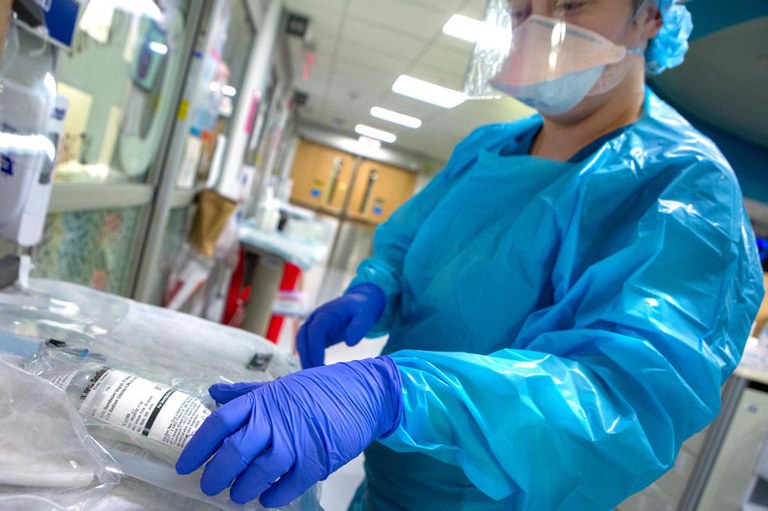
Research in a wide range of chemicals and conditions, including dioxins, tobacco, pesticides, breast cancer, and neurological disorders.

Extension faculty explore various aspects of animal disease prevention and preharvest food safety. Many of the projects are collaborative efforts with partners from the academic world and industry.
Research Centers

The study of interaction of dietary components with the genome and the resulting change in gene expression.

Conducting innovative mastitis research aimed at developing practical dairy herd preventive medicine programs, safe and effective animal health products, and improved management techniques for the dairy industry.

Promoting interdisciplinary research and education in the areas of immunology and infectious diseases.

Fostering the development of interdisciplinary research and graduate and undergraduate programs in toxicology.
